Articles by Sara Bracha Shai

The Sound of Joy


The roar of the battlefield, the cries of the wounded, the alarming wail of a siren, and the screams of those running for safety are sounds and noises that have rocked our country now for over two years.

Cries of joy, the sound of glass being broken by a chuppa, the blasting noise from a lively band are also part of our daily life.

And then there are silent cries in the dark of night. Each heart beats in its unique wave of pain. Choked-up cries, tearful songs of faith and goodness are also part of our nation.

We are a resilient nation, beaten by both personal tragedies and suffering and national level struggles and battles. Churban Habayit took place almost 2,000 years ago, but the destruction, its repercussions, and its tikkun are taking place in every generation.

I present to you a story. It is a personal story, a story that contains almost every cry, noise, and sound imaginable – a story of resilience, faith, strength, and incredible giving that shapes the individual who has chosen, while walking the path of suffering, to lift her head and light up our world. The message in this story will penetrate our emotions, shape our decisions, and speed up Geulah.
Read More:The Sound of Joy

An Oasis in the Desert : The Story of Mitzpe Yericho


mitzpa

As we drive up the main road of Mitzpe Yericho, with olive trees surrounding us on both sides, I am full of hope. Searching for a community can be daunting, and at last my husband Eliyahu and I agree that this yishuv we are visiting feels like home. Perhaps we are coming full circle as we got married in Mitzpe Yericho’s wedding hall, Nof HaYarden. Funny, though – at the time, we did not even consider living in Mitzpe, as it is fondly called.

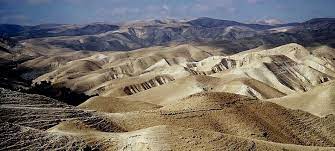
Eliyahu points out the significance of Mitzpe Yericho. A mitzpe is a lookout; this yishuv lies on top of a mountain overlooking the ancient city of Yericho a few kilometers away. Nowadays, Yericho is an Arab city known for its casino, and Jews are not allowed to live there. But its history goes back to the times of Yehoshua, when Bnei Yisrael entered Eretz Yisrael and miraculously conquered the city.


Read More:An Oasis in the Desert : The Story of Mitzpe Yericho

Chonon Shugarman, a”h A Yud of a Yid


yartzheit

When I think of my father, Chonon Shugarman, a”h, an anecdote that he shared with us, his family, arises in my mind. That is of my father as a little boy, sucking on a candy ever so slowly, trying to keep the moment of pleasure for as long as possible. His love for life and enjoyment of the wonders of this world led my father to explore a question that he entertained even as a youngster – which was what happens after death? None of the adults around him were able to give my father an adequate answer to his persistent question. Born into a traditional family and attending Baltimore public schools, my father’s search for truth was aided by the Hebrew School he attended. By the time he reached bar mitzva, he was already keeping Shabbos and kashrus as best as he could. Later, Harav Moshe Heinemann, shlita, as well as the community surrounding TA, Etz Chaim Center, and his co-worker Chaim Pollock contributed to his becoming a proper Orthodox Jew.


Read More:Chonon Shugarman, a”h A Yud of a Yid

A Glimpse into Waldorf Education, Part 2


waldorf

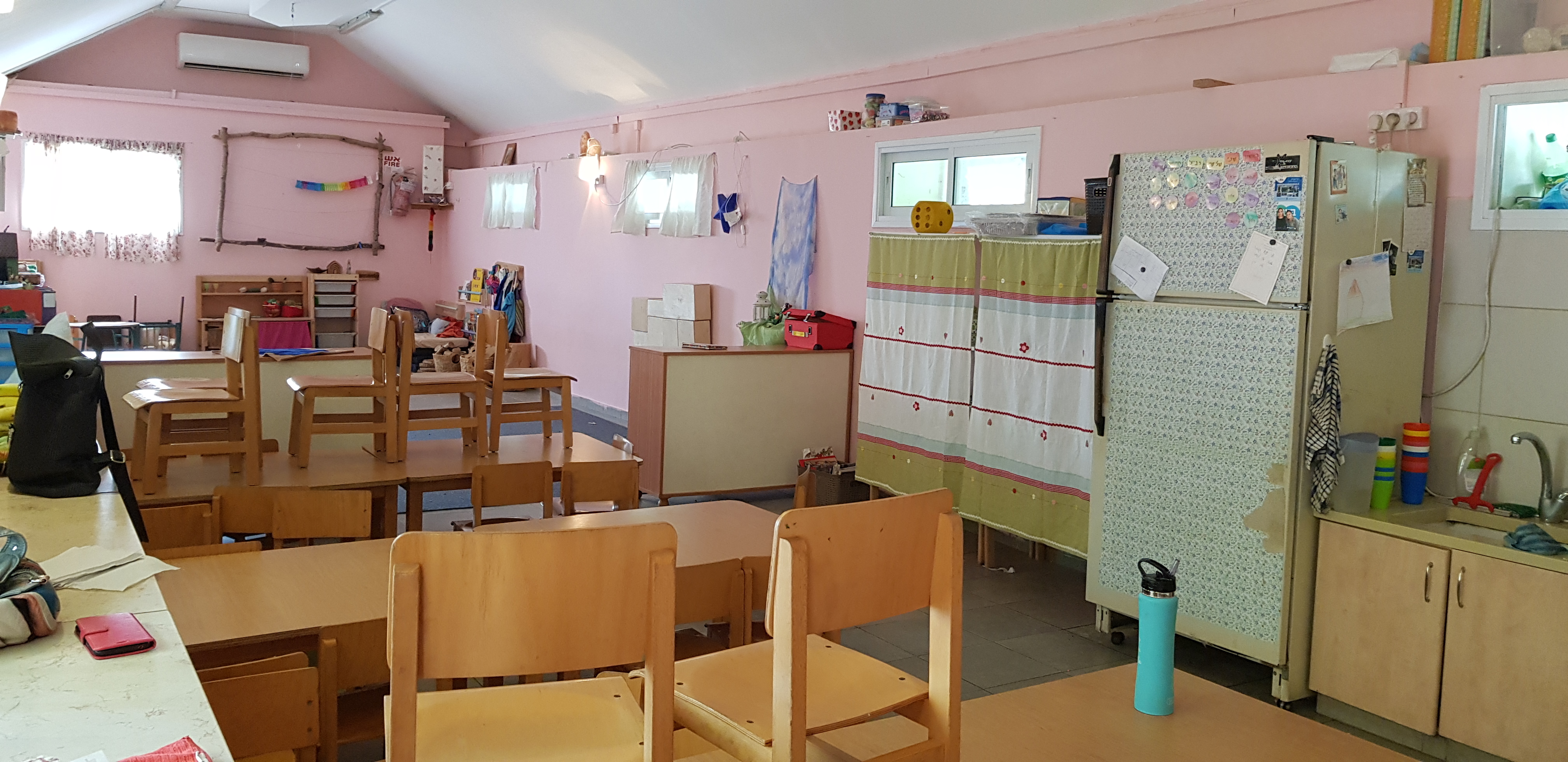
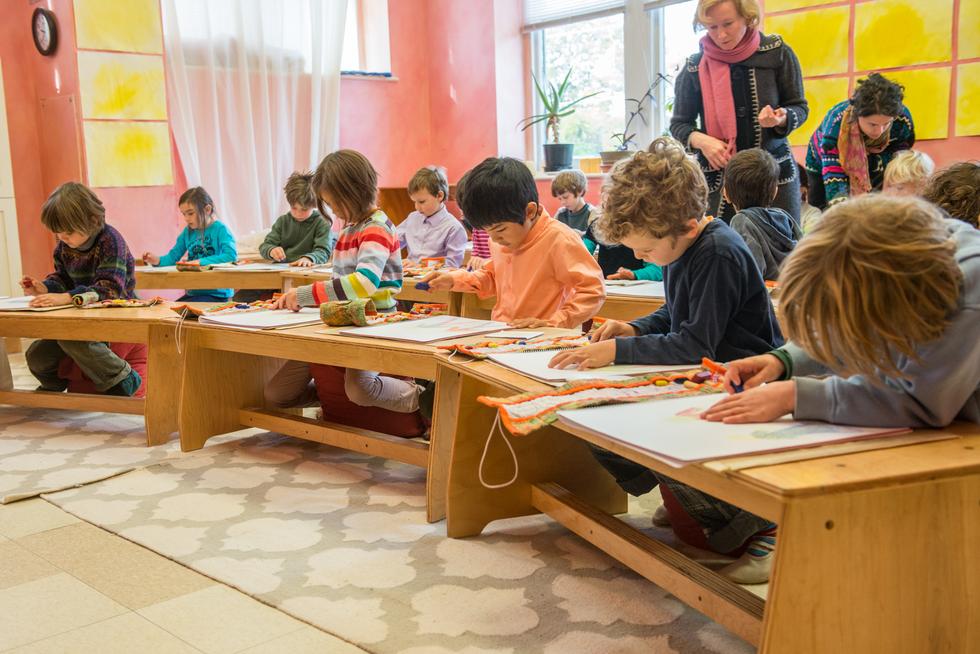
As Torah-observant Jews, our desire is to teach each generation to cling onto our etz chaim, and we have established a multitude of day schools and yeshivas to accomplish that goal. To create healthy, wholesome branches within our children, I believe that incorporating the methods and tools of other educational approaches can stoke the flames of real Torah passion even further. I would like to share here some more specialties of Waldorf/Steiner education. As noted in my previous article on Waldorf education, the ideas I have outlined here are separate from Steiner’s general philosophies and beliefs, which are anti-Torah.


Read More:A Glimpse into Waldorf Education, Part 2

A Glimpse into Waldorf Education


shugarman

Unsure of my exact destination and uncertain about my upcoming meeting, I felt vulnerable and queasy as the bus lurched around the sharp turns on the descent from Yerushalayim, but I soon arrived at my stop. Alighting, I surveyed my surroundings. I was a few minutes walk from Ramat Motza, a small, pretty neighborhood right outside the entrance of Yerushalayim, directly below Har Nof. I navigated to the address I was given with help from my trusty old Moovit navigation app.


Read More:A Glimpse into Waldorf Education

Have You Ever Met a Teimani Kallah, Part 2


teiman

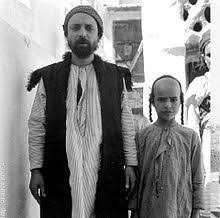
What celebration can beat the exuberance and excitement of a wedding festivity? Well, I was soon to find out. During my engagement to my Teimani (Yemenite) chatan, Eliyahu, it was proposed to throw the traditional Yemenite, women-only, pre-wedding ceremonial party, called the Henna. I was warned that it might be more enjoyable than the actual wedding, and in hindsight, I must agree that it was. I really did not know what to expect as I was too busy with wedding preparations to check into what happens at a Henna. I did know what my sister-in-law-to-be told me, which is that the letters of henna, in Hebrew, stand for the three special mitzvot of a woman: challaniddah, and hadlakat neirot.


Read More:Have You Ever Met a Teimani Kallah, Part 2