Articles by Jill Moroson

Healthy Shalach Manos A Contradiction in Terms?


When I was asked to write about healthy options for shalach manos, I laughed. To me, the two have often felt incompatible – maybe because I’ve grown accustomed to seeing what my grandsons collect from their Purim deliveries: a veritable trove of tooth-decaying treasures that would make any trick-or-treater green (dye #4) with envy.

That said, from the vantage point of my own home, I’ve also seen some genuinely health-positive inclusions over the years: oranges, water bottles, and tahini, alongside the  varied homemade muffins, cookies, and hamantaschen  made with love and no chemical additives. I’ve enjoyed watching the creativity people bring to their gifts – sometimes choosing foods that match a theme or even their costumes. Condiments, coffee for a “coffee break” theme, and even the occasional beer or mini-liquor bottle have not gone unappreciated.

When compiling a list of healthier ideas, I went back to the basic requirement of shalach manos: ready-to-eat food or drink, enough for the Purim seudah. That rules out pantry staples like rice or dried beans. I also tried to avoid foods that require refrigeration, since safe transport and storage can be tricky. Soups, salads, and mini-quiches would all be welcome if there were clear instructions and fridge space available.


Read More:Healthy Shalach Manos A Contradiction in Terms?

Process This!


ice cream

The U.S. food industry is controlled by 10 companies, all competing for our eyeballs and dollars. Through innovations in food research and technology, these companies have developed ways to prolong shelf life and enhance flavor, resulting in products that taste great but have little, if any, nutritional value, while some may even be harmful to our health. What lies behind the pretty packaging and safe-sounding claims of these processed products? Here is some information I thought you should know that is not included on product labels. 

1) Trans fats, recognized as unsafe in the 1980s and banned by the FDA in 2015, are still lurking in your food even when the packaging says “0 Trans Fats.” That’s because, in the FDA’s dual role to protect both consumer and industry, industry won. Trans fats, created by hydrogenating liquid oil to become solid, preserve the shelf life of foods, an important factor in keeping costs down for the food industry. Through its lobbying efforts, the food industry convinced the FDA to allow .5 grams of trans fats per serving in all processed foods without listing it on the ingredients label. Check out the serving size in your favorite box of crackers that says “0 Trans Fats” and do the math.


Read More:Process This!

Healthy Gut, Healthy Child


vegetables

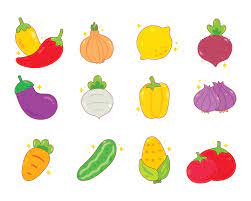
We are in the midst of an epidemic that is hurting our children but that no one seems to be talking about. It’s not caused by a virus, bite, or bacteria. It’s caused by food. The standard American diet, aptly known as SAD, is a diet filled with sugar, seed oils (foreign to the human body), and refined carbohydrates, all packaged in an abundance of highly processed concoctions. This diet is the mainstay of what most American children eat. And it’s making them sick.

Today, 20% of American children are obese or overweight, a number projected to reach 30% by 2030. Ten percent of children aged two-to-five are already fat. The incidence of Type II diabetes and ”pre-diabetes” has risen sharply in children, and 25% have fatty liver disease, a condition previously associated with alcoholics and unheard of in children pre-1980. It’s a new phenomenon in medical literature called non-alcoholic fatty liver disease (NAFLD).


Read More:Healthy Gut, Healthy Child

Money and Dating


shidduchim

A good friend of mine in New York took a chance and went on a date with someone I suggested but barely knew. He said he called her, and they had a nice conversation. When they met, he asked her where she wanted to have lunch. She named an expensive restaurant (of which there are many in NYC), at which point he had no choice but to acquiesce. They had lunch. He got the bill. She didn’t offer to share it. And $150 later, he knew he was done. When we spoke later, he laughed and said that this had been the most expensive dating lesson, which he wasn’t going to repeat.


Read More:Money and Dating

Getting your Financial House in Order


potato head

The situation described in the letter you printed from Deep in the Hole two issues ago (Dec. 2019 Vol. 35 Issue 5) is indeed “heartrending.” While it might seem impossible to pull this gentleman out of his financial hole, we should thank him for his honest portrayal. His story serves as an excellent cautionary tale for young people.

For the first time in U.S. history, it is believed, the present generation of young adults will not fare as well financially as their parents did. This means that young people need to be especially conscientious about their financial planning as well as about their ideas and values regarding money. (It’s an important topic for shidduchim as wellSee sidebar.) We are fortunate to have an organization like Mesila to help those looking for financial guidance. It is precisely because Orthodox families incur additional expenses for food, education, and more that it is incumbent on them to be financially savvy. That includes Jewish educators preparing the next generation to be able to afford the demands of Orthodox living.


Read More:Getting your Financial House in Order

Poor Me


grammer

I remember the scene well. We are about eight or nine years old, getting ready to go out for recess or some other enjoyable activity. “David” rushes to the teacher and in an excited burst asks: “Can Johnny and me be first in line?”

The teacher’s finger rises. She pauses. She pronounces: “Can Johnny and – I – be first in line?” 

There is a hush as the excitement drains from David’s face, and from the faces of the million other Davids and Susans who experienced the very same reprimand.


Read More:Poor Me